

Standing at 5,895 meters (19,341 feet) above sea level, Mount Kilimanjaro represents one of the most accessible and inspiring mountaineering challenges on Earth. This dormant volcano in Tanzania attracts thousands of adventurers annually, each drawn by the promise of standing atop Africa’s highest point. Unlike many of the world’s tallest peaks, climbing Kilimanjaro requires no technical mountaineering skills, making it an achievable goal for determined trekkers with proper preparation and guidance.
Understanding Mount Kilimanjaro
Mount Kilimanjaro is a stratovolcano comprising three distinct volcanic cones: Kibo, Mawenzi, and Shira. The highest point, Uhuru Peak, sits on the Kibo cone and offers breathtaking views across the African savanna below. The mountain’s unique position near the equator creates an extraordinary journey through five distinct ecological zones, from tropical rainforest to arctic summit conditions, all within a matter of days.
The mountain’s geological history spans over one million years, with its last major eruption occurring approximately 360,000 years ago. Today, Kilimanjaro’s iconic snow-capped summit faces significant threats from climate change, with glaciers that once blanketed the peak now rapidly retreating. This environmental reality adds urgency to many climbers’ aspirations, as scientists predict these glaciers may disappear within decades.
Choosing Your Route
Seven established routes lead to Kilimanjaro’s summit, each offering distinct experiences, difficulty levels, and success rates. Your route selection significantly impacts your climbing experience and summit chances.
The Machame Route, known as the “Whiskey Route,” remains the most popular choice among climbers. This six to seven-day trek offers stunning scenery, excellent acclimatization profiles, and reasonable success rates of 85-90%. The route’s popularity means you’ll encounter many fellow trekkers, but the camaraderie and well-maintained camps provide comfort and safety.
The Lemosho Route provides a longer, more gradual ascent over seven to eight days, approaching from the western side of the mountain. This route offers superior acclimatization opportunities and lower traffic, resulting in summit success rates exceeding 90%. The additional days allow your body more time to adjust to altitude, though the longer duration increases overall trip costs.
For those seeking solitude and wilderness, the Rongai Route ascends from the northern, drier side of Kilimanjaro. This six to seven-day trek sees fewer climbers and offers unique perspectives of the mountain. The gentler gradient makes it psychologically easier for some climbers, though the acclimatization profile isn’t optimal.
The Marangu Route, nicknamed the “Coca-Cola Route,” is the only route offering hut accommodation rather than camping. While this five to six-day route sounds appealing for comfort, its shorter duration and steady ascent profile contribute to lower success rates of around 65-70%. The rapid altitude gain challenges many climbers’ acclimatization.
Physical Preparation and Training
Climbing Kilimanjaro demands excellent cardiovascular fitness and mental determination. While technical climbing skills aren’t required, the physical and psychological challenges should not be underestimated. Summit day typically involves eight to sixteen hours of continuous trekking at high altitude in potentially harsh conditions.
Begin training at least three to six months before your climb. Focus on building cardiovascular endurance through activities like hiking, running, cycling, or stair climbing. Aim for four to five training sessions weekly, gradually increasing intensity and duration. Practice hiking with a weighted backpack to simulate trek conditions, progressively adding weight until you’re comfortable carrying 10-12 kilograms for several hours.
Strength training, particularly for legs and core, helps prevent injury and fatigue. Include exercises like squats, lunges, step-ups, and planks in your routine. Mental preparation proves equally important—visualize summit success, prepare for challenging moments, and cultivate resilience for the tough stretches when altitude and exhaustion test your resolve.
Altitude Acclimatization: The Key to Success
Altitude sickness represents the primary reason climbers fail to summit Kilimanjaro. As you ascend, atmospheric pressure decreases, reducing oxygen availability. Your body requires time to adapt through physiological changes including increased breathing rate, elevated heart rate, and enhanced red blood cell production.

Acute Mountain Sickness (AMS) symptoms include headache, nausea, dizziness, fatigue, and sleep disturbances. More serious conditions like High Altitude Pulmonary Edema (HAPE) and High Altitude Cerebral Edema (HACE) can be life-threatening and require immediate descent.
The golden rule for altitude acclimatization is “climb high, sleep low.” Choose routes offering adequate acclimatization days with appropriate altitude profiles. Stay well-hydrated, drinking three to four liters of water daily. Ascend slowly—the Swahili phrase “pole pole” (slowly slowly) becomes your mantra. Consider taking Diamox (acetazolamide) after consulting your physician, as it can aid acclimatization.
Listen to your body and communicate honestly with your guides about symptoms. Summit fever—the overwhelming desire to reach the top—causes many climbers to ignore warning signs. Remember, the mountain will always be there, but your health comes first.
Essential Gear and Equipment
Proper equipment makes the difference between misery and success on Kilimanjaro. The mountain’s diverse climate zones demand versatile gear capable of handling tropical heat, cold rain, and arctic summit conditions as low as -20°C (-4°F).
Invest in quality layering systems: moisture-wicking base layers, insulating mid-layers (fleece or down), and waterproof outer shells. A warm sleeping bag rated to at least -10°C (14°F) ensures comfortable rest at high camps. Broken-in, waterproof hiking boots with ankle support prevent blisters and provide stability on rocky terrain.
Essential items include trekking poles for stability and knee protection, a comfortable backpack (40-50 liters), headlamp with extra batteries, high-altitude sunglasses and high-SPF sunscreen, insulated water bottles or hydration systems, and altitude sickness medication. Don’t forget personal items like wet wipes, hand sanitizer, and toilet paper, as facilities are basic.
Many climbing companies provide equipment rental services for larger items like sleeping bags and trekking poles. Pack efficiently—porters carry your main duffel bag, but you’ll carry your daypack throughout each day’s trek.
The Climbing Experience
Your Kilimanjaro journey begins at one of several trailheads, typically reached after transfer from Moshi or Arusha towns. The first days traverse lush montane rainforest where you might encounter colobus monkeys and exotic birds. The terrain gradually changes as you ascend through moorland characterized by giant heather and otherworldly groundsels.
Daily trekking typically lasts four to eight hours, with early starts ensuring you reach camp before afternoon weather deteriorates. Porters race ahead to establish camp, so hot meals and erected tents await your arrival. Evenings involve briefings from guides, acclimatization walks, and early bedtimes preparing for the next day.
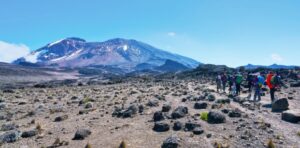
As you climb higher, the landscape becomes increasingly barren and lunar-like. The alpine desert zone offers stark beauty but little shelter from elements. Nights grow colder, and the reduced oxygen makes simple tasks exhausting. This is where mental fortitude becomes as important as physical fitness.
Summit night begins around midnight from high camp (usually Barafu or Kosovo Camp). Climbers ascend slowly through darkness, navigating rocky switchbacks and scree slopes. The cold bites hard, and exhaustion battles with determination. Watching the sunrise from Stella Point or Uhuru Peak rewards every difficult step—you stand on the Roof of Africa, with the world spread below and glaciers sparkling in the dawn light.
Cultural and Environmental Considerations
Climbing Kilimanjaro immerses you in Tanzanian culture and supports local communities. Most guides and porters come from villages surrounding the mountain, and tourism provides crucial income. Treat your crew with respect—they work incredibly hard carrying equipment and ensuring climber safety.
Kilimanjaro National Park enforces strict environmental regulations to preserve this UNESCO World Heritage Site. Practice Leave No Trace principles: pack out all trash, use designated toilet facilities, stay on established trails, and avoid disturbing wildlife or plants. Your entrance fees contribute to conservation efforts protecting this natural wonder for future generations.
Consider tipping your crew generously—they make your summit possible. Standard recommendations suggest budgeting $200-300 per climber for crew tips, distributed among guides, assistant guides, cooks, and porters according to responsibility levels.
Planning and Logistics
Most climbers arrange Kilimanjaro expeditions through licensed tour operators, as independent climbing isn’t permitted. Research companies carefully, reading reviews and comparing packages. Budget $1,500-5,000 depending on route, duration, group size, and service level. Higher prices typically reflect better guide-to-client ratios, superior equipment, and ethical porter treatment.
Book your climb during dry seasons (January-March or June-October) for best weather conditions. Obtain necessary vaccinations (yellow fever, typhoid, hepatitis A) and antimalarial medication. Tanzania requires visas for most nationalities, available on arrival or online. Travel insurance with high-altitude coverage (up to 6,000 meters) and evacuation coverage is essential.
Conclusion
Climbing Kilimanjaro represents an extraordinary adventure accessible to determined trekkers worldwide. This majestic mountain offers more than summit glory—it provides personal transformation through physical challenge, cultural immersion, and profound connection with nature. Success requires proper preparation, appropriate route selection, respect for altitude, and mental resilience, but standing atop Africa rewards you with memories and achievements lasting a lifetime.
The mountain teaches humility, perseverance, and appreciation for our planet’s wild places. Whether you summit or not, the journey itself enriches your life, pushing boundaries and revealing inner strength you may not have known existed. As climate change threatens Kilimanjaro’s iconic glaciers, now is the time to answer this mountain’s call.
Key Takeaways
- No technical skills required: Kilimanjaro is a trekking peak, accessible to fit individuals without mountaineering experience
- Altitude is the main challenge: Proper acclimatization through route selection and pacing determines summit success more than fitness alone
- Route selection matters: Choose longer routes (7-8 days) for better acclimatization and higher success rates
- Physical preparation is essential: Train consistently for 3-6 months, focusing on cardiovascular endurance and hiking with weighted packs
- Proper gear is crucial: Invest in quality layering systems and equipment suitable for extreme temperature variations
- Pole pole (slowly slowly): Patience and steady pacing are your best allies against altitude sickness
- Choose reputable operators: Your guide team’s experience and ethical practices directly impact your safety and experience
- Respect the mountain and culture: Practice environmental responsibility and treat your Tanzanian crew with dignity and fair compensation
- Summit is optional, return is mandatory: Listen to your body and guides—descending when necessary shows wisdom, not weakness
- The journey transforms you: Beyond reaching the summit, the experience builds character, resilience, and lasting memories
Frequently Asked Questions
How difficult is climbing Kilimanjaro? Climbing Kilimanjaro is physically demanding but technically non-challenging. You don’t need rope skills or mountaineering equipment—just strong cardiovascular fitness, determination, and proper acclimatization. Summit day is particularly grueling with 8-16 hours of continuous trekking at altitude.
What is the success rate for summiting Kilimanjaro? Overall success rates average 65-70%, but vary significantly by route. Longer routes like Lemosho (90%+ success) dramatically outperform shorter routes like Marangu (65-70%). Choosing a longer itinerary substantially increases your summit chances.
How long does it take to climb Kilimanjaro? Depending on route selection, climbs take 5-9 days. Longer durations allow better acclimatization and higher success rates. Most climbers choose 6-8 day itineraries balancing success probability with time and budget constraints.
When is the best time to climb Kilimanjaro? The best climbing seasons are January through early March and June through October, during Tanzania’s dry seasons. These periods offer clearer skies, better visibility, and more comfortable trekking conditions, though Kilimanjaro can be climbed year-round.
Do I need a guide to climb Kilimanjaro? Yes, Tanzanian regulations require all climbers to use licensed guides and arrange climbs through registered tour operators. Independent climbing is not permitted, ensuring safety standards and supporting local employment.
How much does it cost to climb Kilimanjaro? Expect to budget $1,500-5,000 for your climb, depending on route length, group size, and service quality. This typically includes park fees, guides, porters, camping equipment, and meals. Budget additional funds for tips ($200-300), gear rental, travel insurance, and flights.
Can beginners climb Kilimanjaro? Yes, beginners with good fitness levels successfully summit Kilimanjaro regularly. While prior trekking experience helps, it’s not mandatory. Focus on proper physical preparation, choose a longer route, and maintain realistic expectations about the challenge.
What are the risks of climbing Kilimanjaro? The primary risk is altitude sickness, ranging from mild symptoms to life-threatening conditions like HAPE and HACE. Other risks include hypothermia, dehydration, injuries from falls, and extreme fatigue. Proper acclimatization, experienced guides, and listening to your body minimize these risks significantly.